Built from the buyer's side of the table
Yewuge exists because software procurement is consistently structured to favor vendors, and most managers enter those conversations without the tools to level the field.
A pattern that repeats across every organization
Software vendors invest significantly in sales training, proposal design, and demonstration choreography. The result is a persistent information asymmetry that places non-technical managers at a structural disadvantage during procurement conversations. The manager's role is to understand what their team needs and whether a proposed tool will genuinely serve those needs, but the tools for doing that analysis rigorously have not been widely available.
Yewuge was developed to address this gap directly. The program draws on procurement analysis, organizational behavior research, and practical experience with software evaluation processes across multiple industries and organizational sizes. The goal is not to make managers suspicious of vendors, but to make them genuinely capable of distinguishing strong proposals from polished ones.

Four commitments that shape every program decision
Transparency
The frameworks we teach are openly documented. We explain the reasoning behind every evaluation criterion so managers can adapt the approach to their specific organizational context rather than treating it as a black box.
Independence
Yewuge maintains no commercial relationships with software vendors, resellers, or implementation partners. Our evaluation criteria are designed to be genuinely neutral, producing recommendations based on organizational fit rather than commercial incentives.
Practicality
Theory without tools is not useful. Every concept in the Yewuge program is paired with a practical instrument: a template, a checklist, a scoring matrix, or a structured question set that can be applied immediately in a real procurement context.
Longevity
The specific software categories available to organizations will continue to change. The evaluation principles in this program are designed to remain applicable as new tool categories emerge, giving managers a durable capability rather than point-in-time knowledge.
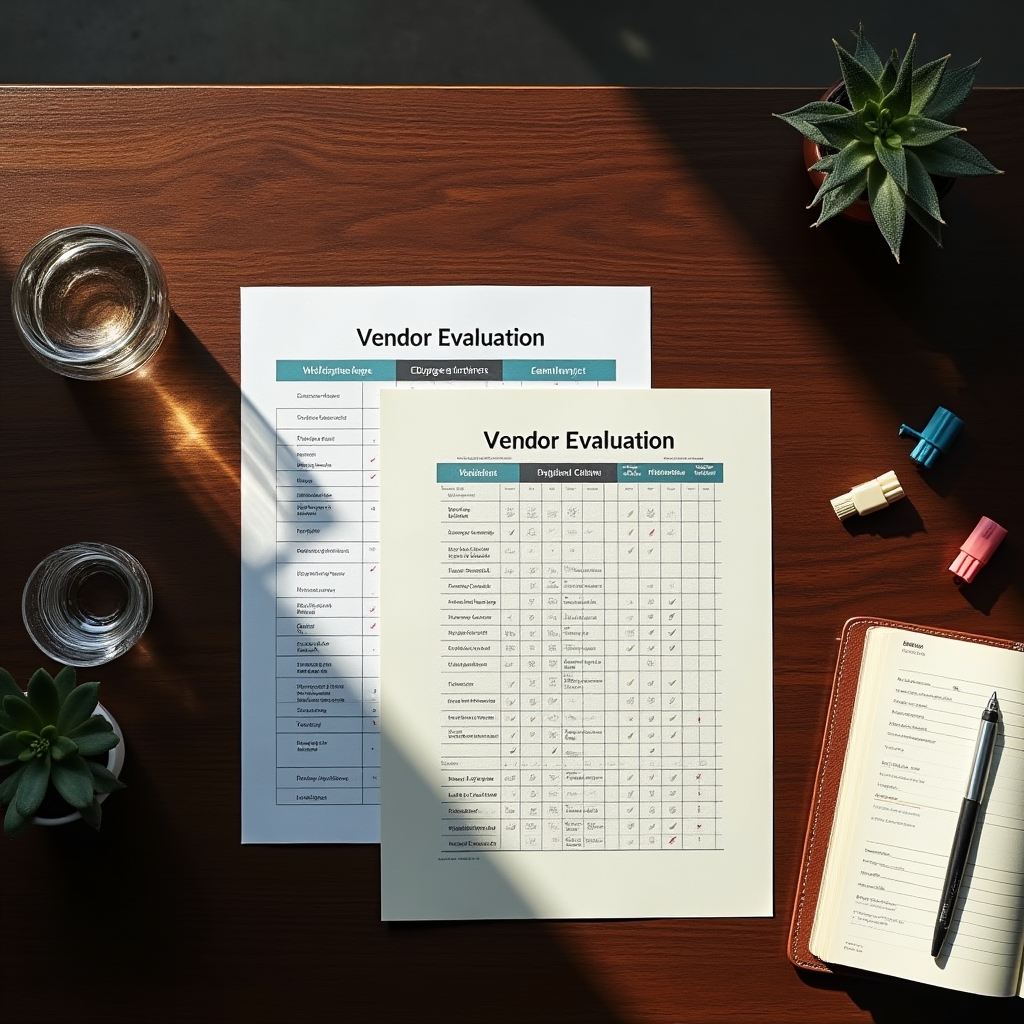
Structure reduces subjectivity
The Yewuge methodology is built on a single insight: structured evaluation processes produce more defensible, more consistent, and more organizationally aligned decisions than unstructured comparison. When evaluation criteria are defined before the vendor presentations begin, the assessment is anchored to organizational needs rather than to whichever vendor gave the most memorable demonstration.
This is not a new idea in procurement generally, but it has been inconsistently applied to software purchasing, particularly in mid-sized organizations where formal procurement departments are absent and software decisions are made by functional managers without dedicated support. Yewuge brings structured procurement thinking to exactly that context.
Explore the Scorecard MethodHow the learning is structured
Evidence-based content
Program content draws on organizational behavior research, procurement best practices, and documented patterns in software adoption. Concepts are grounded in how organizations actually make and implement software decisions, not how they theoretically should.
Real proposal analysis
Participants work with actual vendor proposal structures, learning to recognize standard formats and identify where critical information is typically obscured or absent. Exercises use representative proposal samples from common software categories.
Conversation frameworks
Beyond document analysis, the program equips managers with structured question sequences for vendor calls and demonstrations, covering the areas that proposals routinely underspecify including data migration, support response times, and contract exit provisions.
Transferable templates
Every module produces a usable output: a completed evaluation matrix, a vendor question bank, a total cost model, or a pilot structure document. These templates are designed for immediate reuse across future procurement decisions.